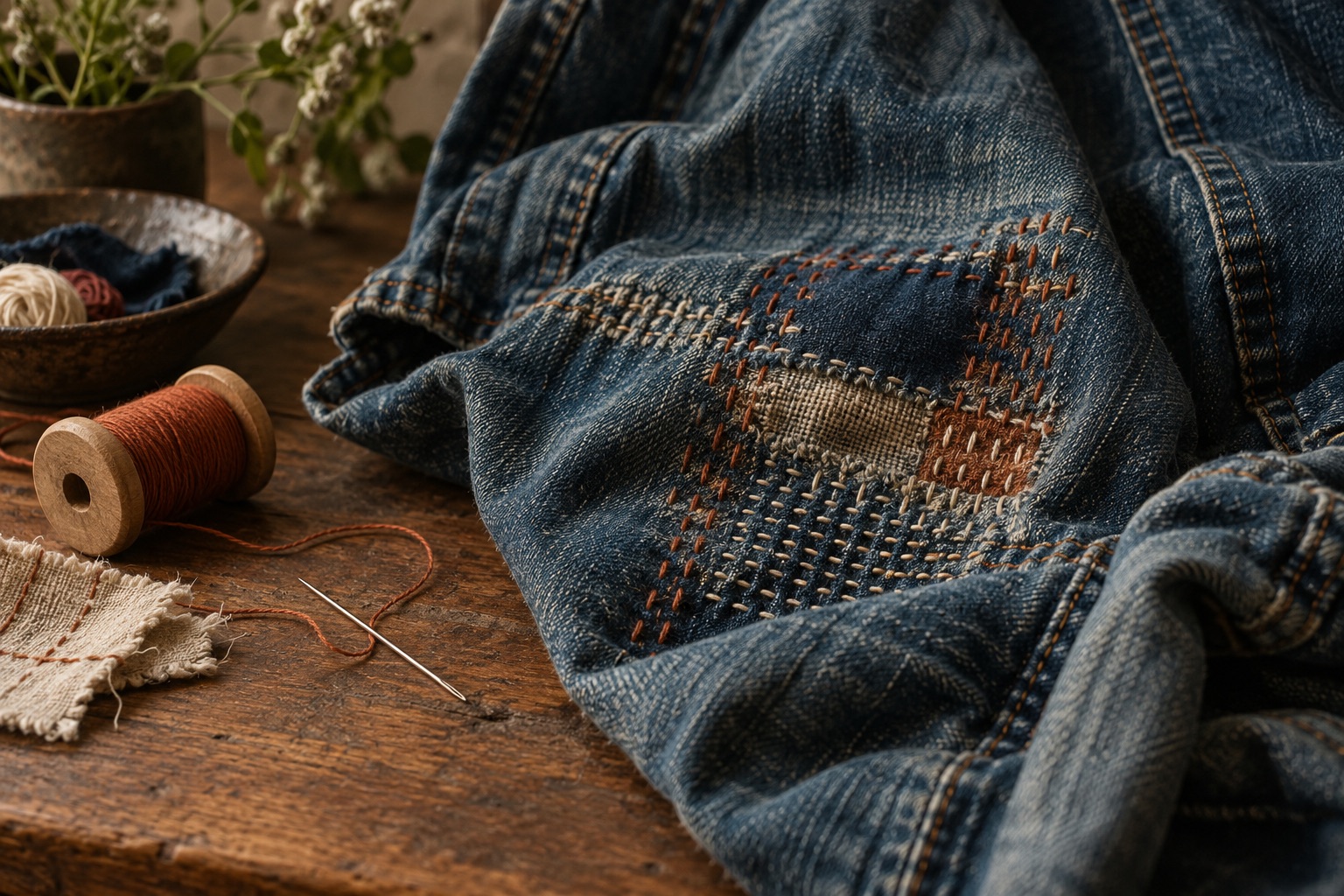
A pale seam runs across dark fabric. For this article, imagine a garment whose repair is allowed to remain visible. This is neither a documented success story nor an account of resources saved. It begins a more specific question: what needs to happen after repair for an object actually to remain part of everyday life for longer?
Damage is not yet a decision
The visible defect seems straightforward: something is different from before. Whether use must end is another question. Our invented garment might continue to be worn, be mended or remain unused in a cupboard. These possibilities already reveal a difference between material condition and actual use. The seam alone cannot tell us which follows. Treating repair only as a before-and-after picture makes it easy to overlook the period after the final stitch, when the object returns to ordinary life or does not.
A documented look at repair work
In February 2019, the German Environment Agency published Handwerk und Reparatur, a study of repair trades. The 68-page report by Bizer, Fredriksen, Proeger and Schade examines economic conditions and opportunities for cooperation with repair initiatives. Its accessible summary describes repairing consumer goods as a route towards longer use. Our documented case is therefore an investigation of repair practice, rather than a claimed history of the illustrated garment. The perspective moves from one defect towards the conditions under which assistance becomes possible. [1]
Three questions for the same garment.
Durability, duration of use and intensity of use are related, but do not mean the same thing. Our example garment remains invented.
- Durability
What can the product withstand?
The ability to remain usable is not the same as actually being used. [2]
- Duration of use
How long does it remain in use?
A repair can extend this period; storage alone does not establish continued use. [1] [2]
- Intensity of use
How much is it used during that time?
Long ownership and frequent wear are different aspects. A photograph provides no count. [2]
Conceptual comparison based on UBA’s 2022 discussion, not measurements of the pictured textile or a quantitative environmental assessment. [2]
Possibility and practice are different questions
Knowing that something can technically be repaired does not answer every practical question. Who provides the relevant work? How do people find that help? What cooperation is possible between businesses and initiatives? The UBA summary discusses incentives, barriers and these forms of cooperation. Without assessing the complete report, we do not invent a ranking of the main obstacles. The approach nevertheless makes one point clear: repair involves organisation and economic circumstances, as well as the skill of an individual hand. [1]
Durable is not the same as long used
A UBA discussion from November 2022 focuses on clothing. It distinguishes product durability from the actual duration and intensity of use. A wearable item can remain unused. A repaired item might return to more frequent wear, but need not do so. Three questions therefore differ: how long can the material last, how long does the garment remain in use, and how intensively is it used during that period? The explanation cards keep these aspects separate rather than treating them as interchangeable measures. [2]
Environmental effects depend on what follows
The UBA discussion emphasises longer and more intensive use alongside reduced new consumption. Repair can contribute within that perspective. Yet a picture of a seam cannot count additional occasions of wear or purchases actually avoided. A specific environmental assessment would require further assumptions and information. That does not make extending use unimportant. It directs attention towards where the relevant continuation takes place: the life of the object after repair, rather than only the moment when the damage is removed from view. [2]
The simple story about the past is too simple
The 2022 discussion reports no unequivocal evidence that clothing durability has generally declined. It also points to inconsistent definitions. The familiar claim that everything used to last longer must therefore not appear as a finding from this source. Personal heirlooms can be impressive, but remain a selection of objects. A more careful question asks which products are being compared, under what conditions, and what a particular investigation actually defines as durable. Memory cannot settle that comparison on its own. [2]
A visible trace can become a new form
A mend can also be understood as a design choice. Our artistic seam does not pretend that the fabric was never damaged. It invites a changed surface to be seen as a new form. Whether someone finds it attractive is not a variable measured by these UBA sources. Here the editorial voice considers a way of looking. Something can remain familiar while appearing different. Continued use does not always have to depend on making a repair disappear entirely from sight.
Keep looking after the final stitch
When observing an object of one’s own, a note could record not only the repair date but whether it is actually used again afterwards. This would be a small personal record, not a scientific environmental assessment. It nevertheless asks a better question than whether a repaired state looks successful in a photograph. The story does not end with removing the defect. It continues when the item is worn, handled and returned to ordinary movements. That unobtrusive continuation is itself an interesting form of change.
What does this trace reveal?
Look at the images and choose the statement each can support. The explanation also identifies what needs further observation.
All four images are artistic AI illustrations, not documented material samples. This activity practises asking questions; it does not diagnose damage.
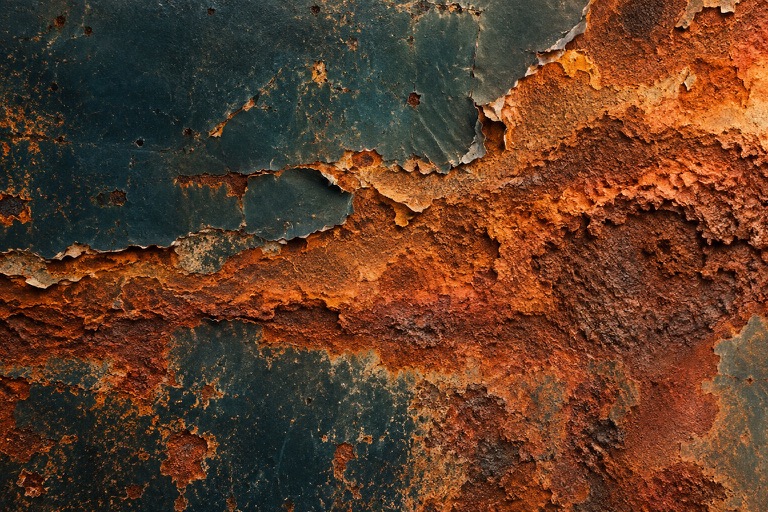 AI ILLUSTRATION
Rust
Which statement is appropriate?
Read the explanation
Colour alone cannot date an object or measure material loss. Material, change over time and examination would matter.
Read the story and its sources → AI ILLUSTRATION
Patina
What can green alone establish?
Read the explanation
Composition, adhesion and change also matter. Green layers can represent different conditions.
Read the story and its sources →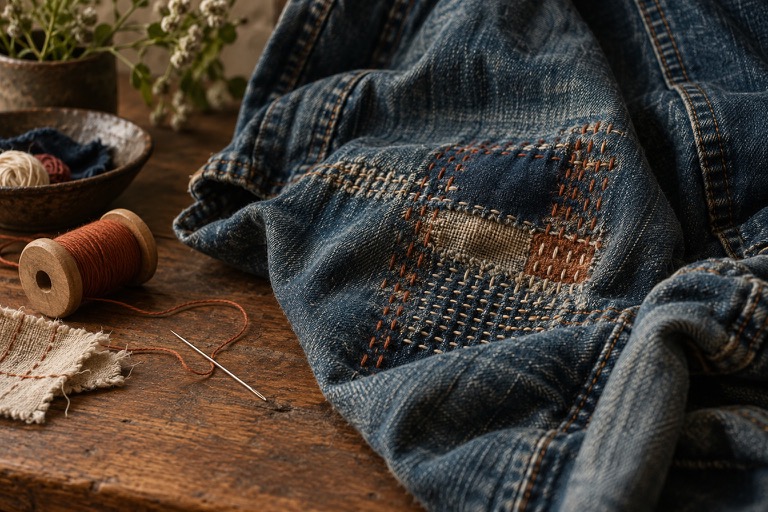 AI ILLUSTRATION
Repair
What does the visible seam tell us?
Read the explanation
Use, material and actual service life remain additional questions. The illustration is not before-and-after evidence.
Read the story and its sources →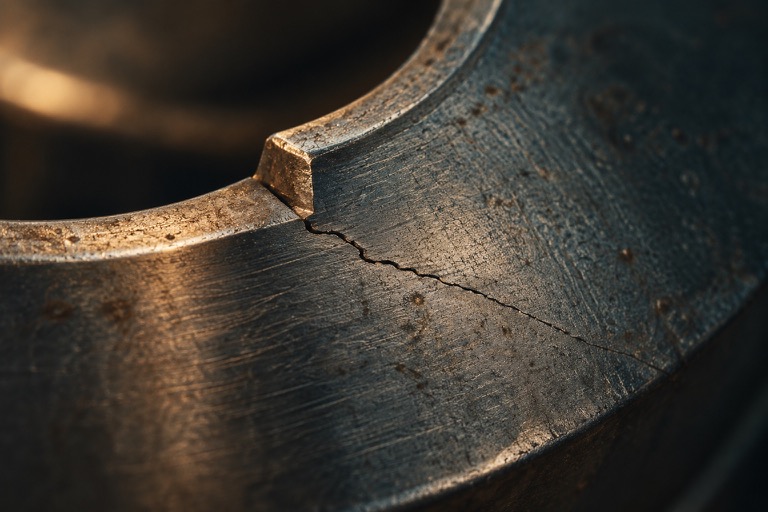 AI ILLUSTRATION
Crack
What does a single crack image fail to establish?
Read the explanation
Repeated loading and examination of the particular object matter for fatigue. Crack shape alone cannot replace them.
Read the story and its sources →Everything runs in your browser. Your inputs are neither stored nor transmitted.
An artistic textile repair, not a documented individual repair or instruction guide. The cards distinguish concepts from UBA’s discussion; they measure no additional wear and calculate no resource savings.
Publication page for the 68-page report Texte 15/2019, February 2019, by Kilian Bizer, Kaja Fredriksen, Till Proeger and Franziska Schade. The institutional summary was inspected, not the complete PDF report. It discusses extending use through repair, economic conditions and cooperation between trades and repair initiatives. We derive neither unchecked detailed statistics nor universal savings estimates from it.
Umweltbundesamt · Nachhaltige Bekleidung – Mehr Fokus auf eine lange Nutzung ↗
Institutional research discussion dated 11 November 2022. Distinguishes durability, duration of use and intensity of use, emphasising long use and reduced new consumption. Reports no uniform definition of durability and no unequivocal evidence of a general durability decline. The webpage was inspected, not the underlying complete study separately. No current legal claims are derived from this historical discussion.
UBA webpages rechecked in the integrated browser on 24 October 2026. The discussion concerns a 2019 report and a 2022 research explanation; the complete study PDFs were not assessed separately.