One world.
Many kinds of change.
Landscapes, life, people and objects.
Explore the connections between 21 stories.
Earth & landscape
Coasts, rivers, rocks, cities and observation.
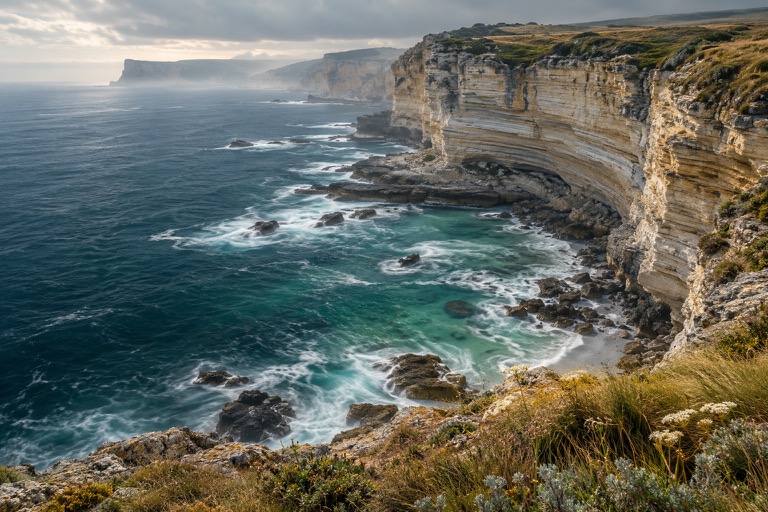
The coast does not stay.
What waves move—and why a beach is not a fixed boundary.
A river keeps drawing.
How Landsat images reveal water changing the position of its channel as well as flowing through it.
The rock is not finished.
Understanding weathering: from a crack in stone to a testable landscape comparison.
The city beneath the memory.
Las Vegas from space: what an expanding city reveals and what its pictures leave open.
How do we recognise change?
What images, measurement series and memories reveal — and what they leave open.
Life & adaptation
Dead wood, species, ecosystems, adaptation, soil and symbioses.
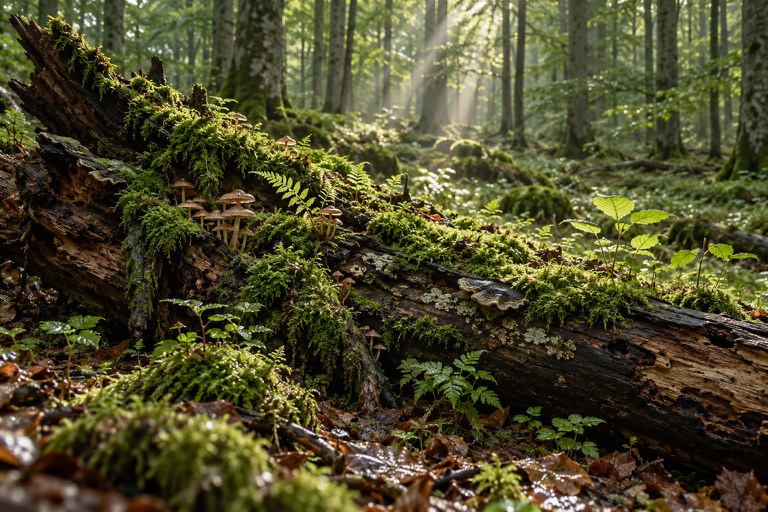
When a tree becomes a beginning.
How a dead trunk becomes material, habitat and part of a cycle at the same time.
When camouflage changes background.
How field observations and genetics sharpen the peppered moth’s story.
When a habitat shifts its boundaries.
The Mesopotamian marshes show why returning water is only the beginning of an explanation.
Adaptation is not a decision.
Variation, heredity and selection, explained through a documented case in Darwin’s finches.
Beneath our feet, the work goes on.
How fungi, other soil organisms and dead material change the ground beneath us.
Evolution does not happen alone.
What mycorrhizae and lichens reveal about different organisms living together.
Humans & society
Language, habits, work and social attitudes.
A word finds another home.
How German Maus gains a new meaning without losing its earlier one.
The path becomes familiar.
What a twelve-week study can reveal — and why it cannot provide a calendar for everyone.
Work changes place.
What Germany’s 2025 home-working figures reveal — and which work a shared picture can overlook.
What feels self-evident.
A British finding about relationships makes a shift in the seemingly self-evident measurable.
Objects & traces
Rust, patina, fatigue, repairs, everyday objects and digital memories.
Time has a surface.
What water, oxygen and iron do together — and why a rust patch is not a calendar.
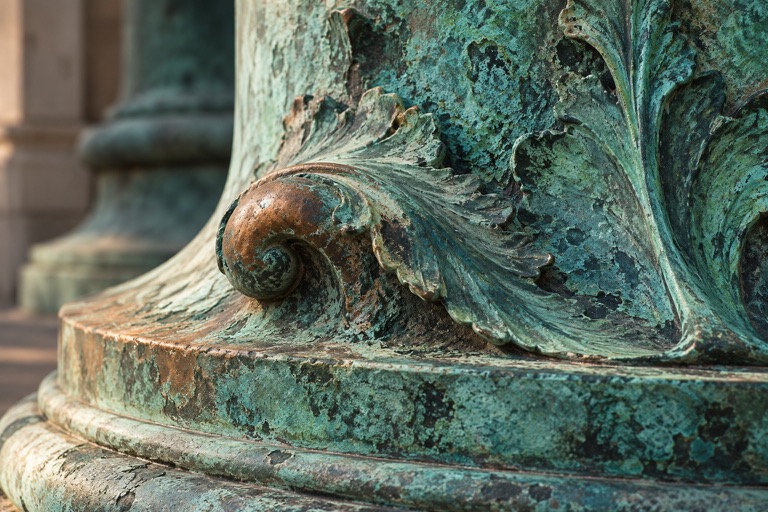
Green is not simply old.
How copper patina forms, when it can protect, and why its colour is not a calendar.
A break begins earlier.
How repeated loading relates to crack growth — and what a visible crack cannot tell us alone.
The seam goes on.
Why a mended area is only the beginning of a longer story of use.
When a number went round.
Two museum objects connect design, ownership and learned movements.
The file remains. Can we still open it?
Why digital memories need more than unchanged bits.
A closer look.
Why we are building a website about change and how we approach observations, explanations and open questions.