One second
An imagined short observation window: a wave belongs to continuing movement. Not a fixed wave duration.
Read the story →Find moths, compare satellite images and explore time scales. Four invitations to take a closer look for yourself.
Find the twelve moths in the field. Then change the background: what is easier to spot now? No time limit or grading.
The search field is created locally.
The search game is not a study of birds. The following calculation is independent of your clicks: two inherited colour variants reproduce equally well but differ in survival probability. Well camouflaged: 80%. More conspicuous: initially 40%. Equal initial shares; no mutation, migration or random fluctuations. These numbers are chosen learning assumptions.
Generation 0 · Light 50% · Dark 50%
New share = previous share × survival probability ÷ sum of both weighted shares. Equal reproduction then replenishes the imagined population. This is a two-type model, not a complete genetic model of peppered moths. Slider changes apply from the next step; changing the background resets the model.
| Generation | Light (%) | Dark (%) | Conspicuous: survival (%) |
|---|
Compare with the story: Adaptation is not a decision. →
Everything runs in your browser. Your inputs are neither stored nor transmitted.
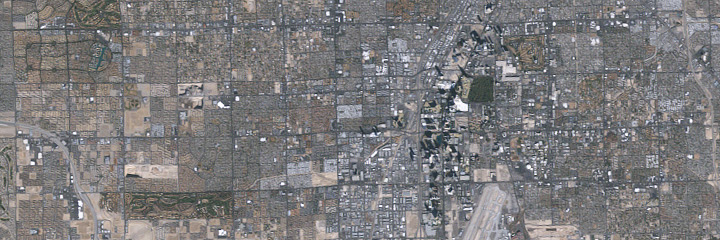
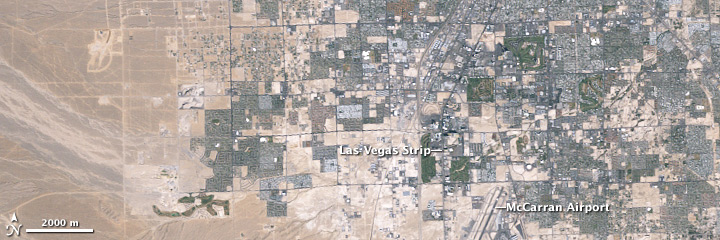
Las Vegas · Landsat 5. Left: 22 October 1984. Right: 12 January 2009. Move the divider and follow street patterns and the spread of development.
 19842009
Also works with arrow keys. Without JavaScript the two images appear one below the other.
Two historical states, not present-day imagery. Original ground resolution about 30 metres. Season and shadows differ: colour alone is not evidence of growth or loss. The slider does not generate intermediate states.
Original series and explanation at NASA Earth Observatory ↗ · How do we recognise change? →
Everything runs in your browser. Your inputs are neither stored nor transmitted.
A second or a million years: the time window changes what we perceive. Explore the scale and open related stories. Examples are observation windows and documented intervals, not universal process durations.
Whole scale: 1 second to 10 million years.
An imagined short observation window: a wave belongs to continuing movement. Not a fixed wave duration.
Read the story →A chosen interval between two notes. Visible difference and cause remain separate questions.
Read the story →Duration of the investigation in our habits story. Not a deadline for forming every habit.
Read the story →About 24 years between the Las Vegas images. Both exact dates are provided in the comparison.
Read the story →Object-specific example: the Statue of Liberty’s green patina. Not a universal clock for copper.
Read the story →An imagined geological observation window, not a measured weathering time for a rock.
Read the story →None of our examples fall within this window. Move or widen the window.
Logarithmic scale: equal distances represent equal duration ratios, not equal added years. For plotting, years are simplified to 365.25 days. The linked stories explain their sources.
Everything runs in your browser. Your inputs are neither stored nor transmitted.
Look at the images and choose the statement each can support. The explanation also identifies what needs further observation.
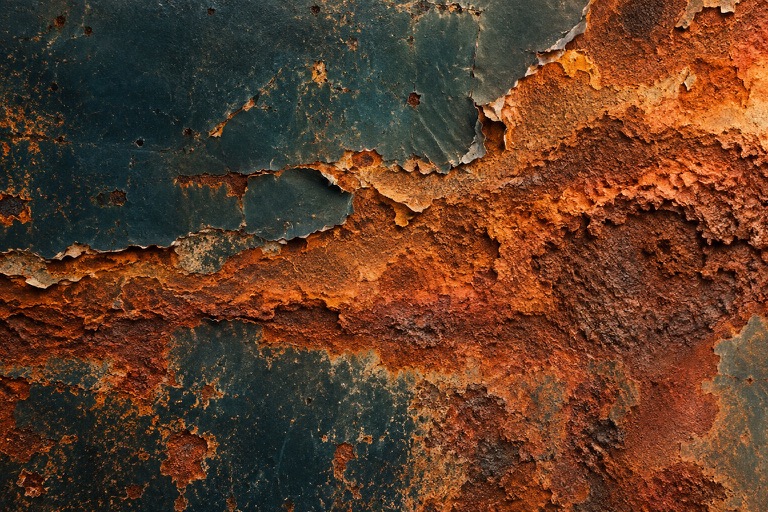
All four images are artistic AI illustrations, not documented material samples. This activity practises asking questions; it does not diagnose damage.
 AI ILLUSTRATION
Which statement is appropriate?
Colour alone cannot date an object or measure material loss. Material, change over time and examination would matter.
Read the story and its sources → AI ILLUSTRATION
What can green alone establish?
Composition, adhesion and change also matter. Green layers can represent different conditions.
Read the story and its sources →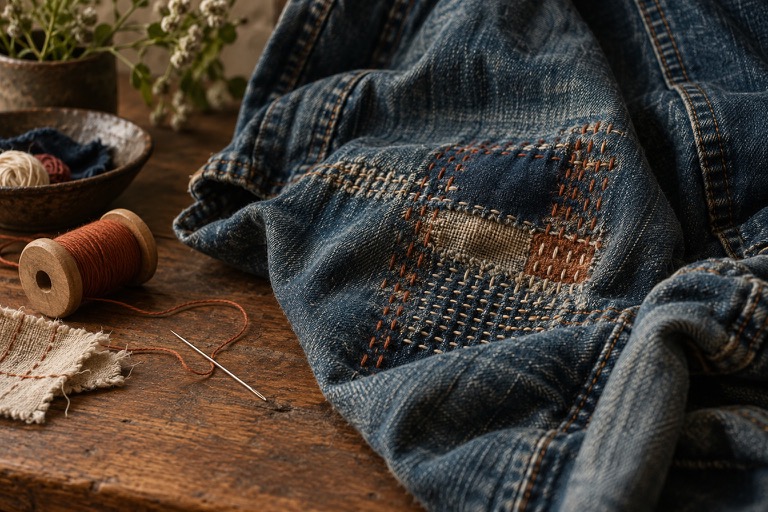 AI ILLUSTRATION
What does the visible seam tell us?
Use, material and actual service life remain additional questions. The illustration is not before-and-after evidence.
Read the story and its sources →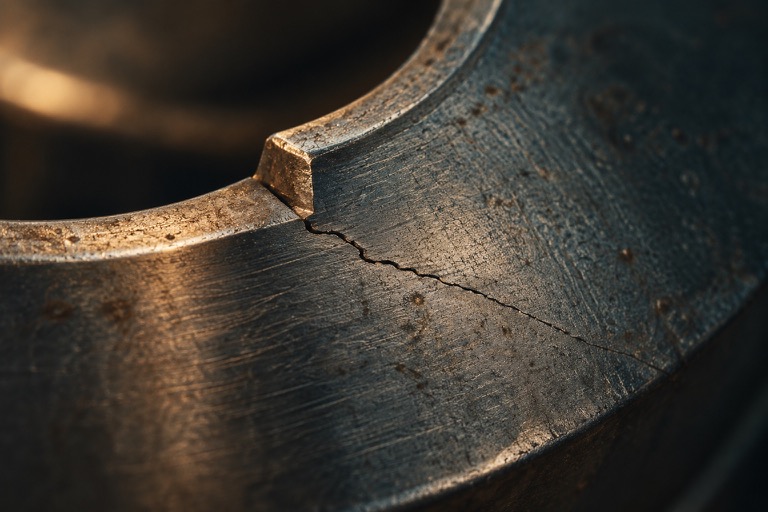 AI ILLUSTRATION
What does a single crack image fail to establish?
Repeated loading and examination of the particular object matter for fatigue. Crack shape alone cannot replace them.
Read the story and its sources →Everything runs in your browser. Your inputs are neither stored nor transmitted.